
The 2026 “Ice” Report
- The Bottom Line: In early 2026, the 1 carat D color diamond price is defined by a massive gap between paper perfection and market reality. For a Natural D-Color (VVS2), the “Sweet Spot” price ranges from $4,800 to $6,500. However, if you chase a Natural D-Color (Flawless), prices spike to an eye-watering $16,870 – $17,630.
- The Lab Revolution: For those open to lab-grown technology, the floor has completely collapsed. A Lab-Grown D-Color (VVS2) can be found for as low as $413, while even the highest grade (D-VVS1) tops out around $527.
- The “Flawless Trap”: Moving from a D-VVS2 ($6,070) to a D-Flawless ($16,870) in the natural market costs you an extra $10,800 for zero visual difference. Unless you are a high-stakes collector, this is a “vanity tax” that offers no return on beauty.
- Dealer Alert: Our February 2026 data shows Rare Carat listing 1ct D-VVS2 stones as low as $4,796, undercutting major competitors by nearly $1,300.
Deal Alert: Mother’s Day Sale Up To 30% Off* select fine jewelry at Blue Nile.
New Collection: Shop the James Allen Collection at Blue Nile.
Vault Sale: “Clear The Vault” – Get up to 70% OFF at Blue Nile!
Flash Sale: Save up to 40% OFF sitewide at Rare Carat.
Exclusive: Get up to 60% OFF select fine jewelry at Ritani.
Start your search with our D Color Diamond Guide to understand the “Ice” premium.
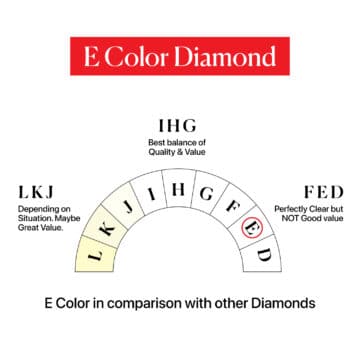
D Color is the “Perfect 10” of the diamond world. It sits at the absolute top of the GIA color scale—chemically pure, completely colorless, and historically the most expensive rock you can buy. For decades, owning a “D” meant you had reached the pinnacle of luxury.
But in 2026, “expensive” has become a relative term.
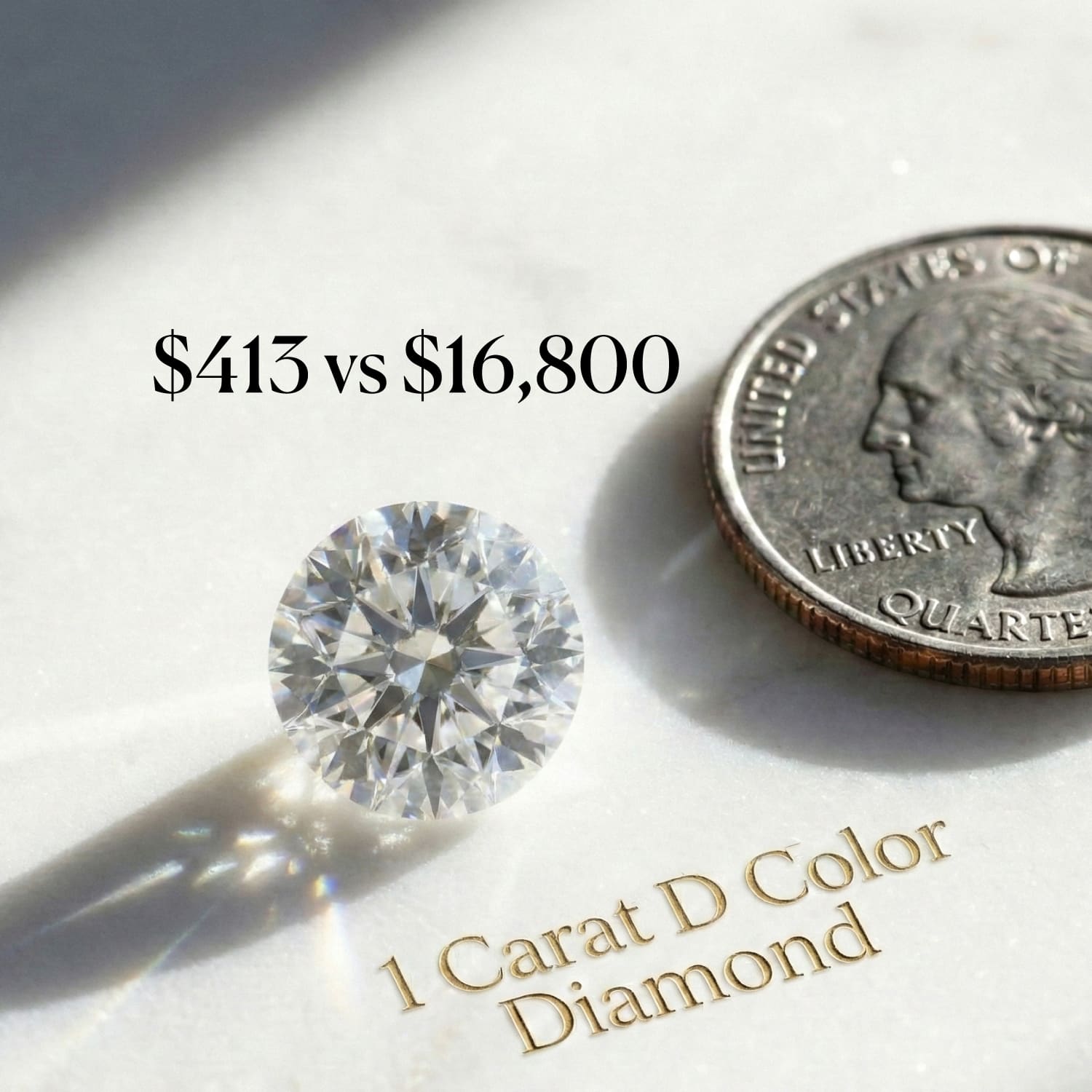
Mehedi’s Reality Check: “I have the active inventory sheets from Blue Nile, Rare Carat, and Ritani in front of me right now. I am looking at one D-Color diamond priced at $16,870 and another D-Color diamond priced at $413.
Both are exactly 1.00 Carat. Both are D Color. Today, we are going to break down why the market is charging 40x more for the same look—and more importantly, exactly where you should put your money to get the most sparkle for your dollar.”
The data used in this guide is pulled from real-time February 2026 inventory to give you a brutally honest look at the market. Whether you are looking for a natural heirloom or a high-tech lab-grown stone, the rules of the game have changed.
Before you swipe your card, check our latest report on whether diamond prices are dropping to see the long-term trends for 2026.
Diamond IQ Test: Natural or Lab-Grown?
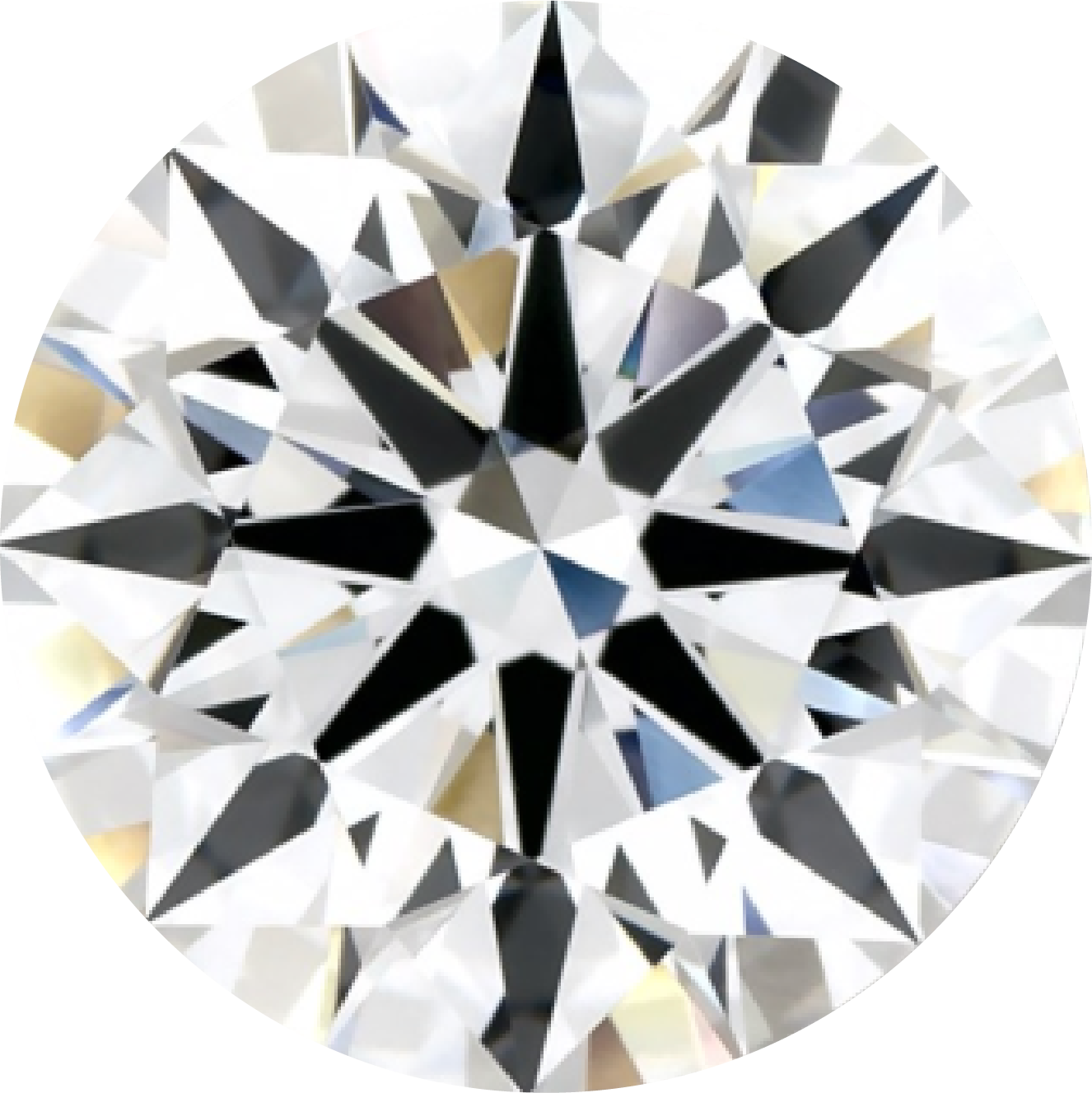
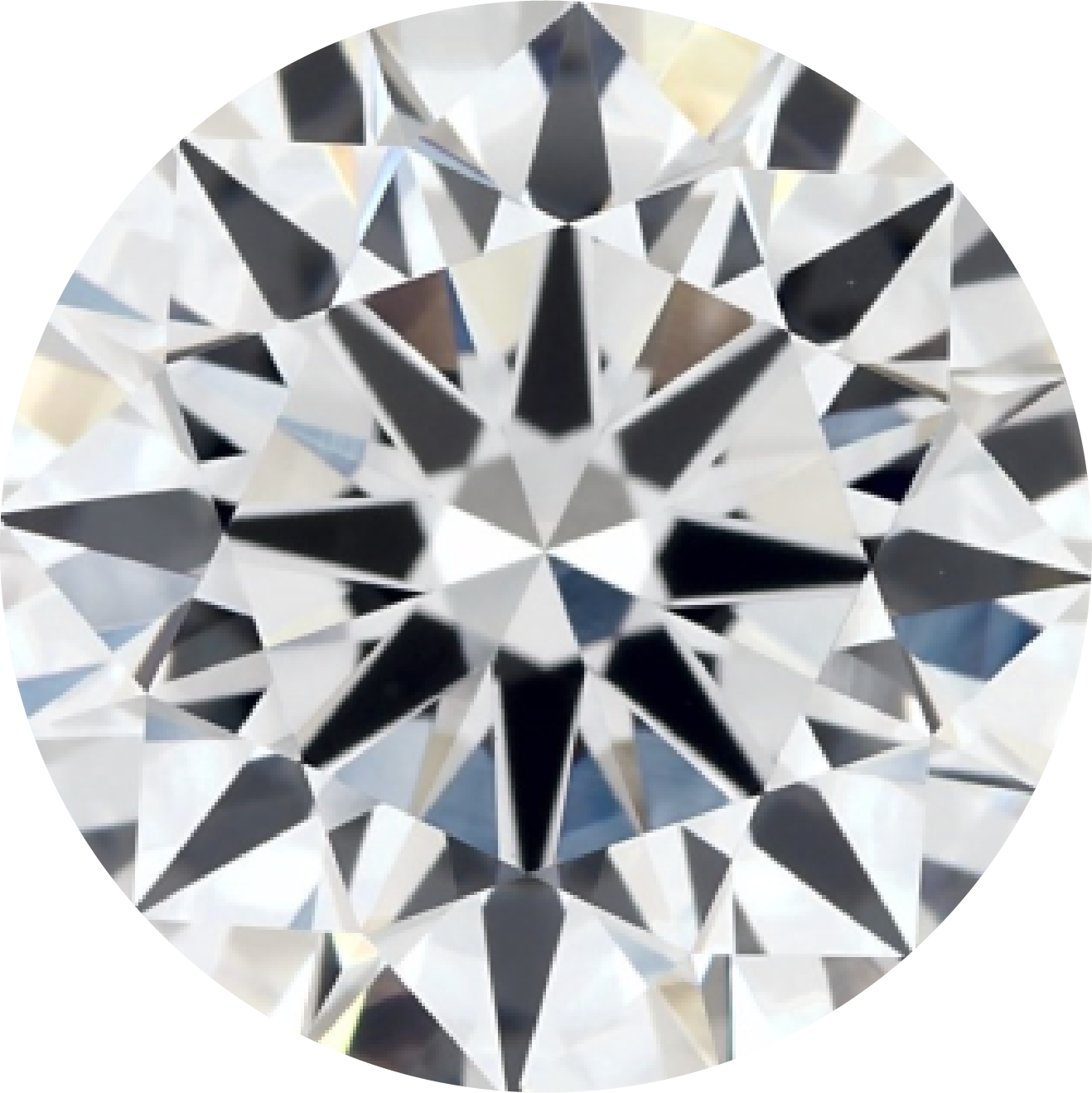
Two identical diamonds: GIA Certified, 1.51ct, D Color, VVS1, Ideal Cut. One is natural ($16,240), the other is lab-grown ($1,970). Choose the diamond you like better and see if you can match it to its origin.
The $10,000 “Flawless” Tax (Natural Data)
If you are a natural diamond buyer, this section is the most important financial advice you will read today. In the diamond industry, there is a concept called “Paper Perfection.”
It refers to stones that are technically perfect on their grading report but look virtually identical to stones two or three grades lower.
When you shop for a 1 carat D color diamond price, this “Paper Perfection” can cost you an extra $10,000 for zero visual benefit.
1 Carat Natural D-Color Prices (Blue Nile Breakdown)
We analyzed the live February 2026 inventory from Blue Nile to show you exactly how clarity grades affect the price of a D-color stone.
Every diamond in this table is a GIA-certified 1.00-carat Round Brilliant with an Excellent Cut. The only variable is the clarity.
The Cost of Perfection (1ct Natural D-Color)
| Carat | Color | Clarity Grade | Blue Nile Price | The Price “Jump” | Mehedi’s Value Analysis |
|---|---|---|---|---|---|
| 1.00ct | D | VVS2 | $6,070 | Benchmark | The Smart Buy. Visual perfection for thousands less. |
| 1.00ct | D | VVS2 | $6,220 | +$150 | Strong value for high-performance cut. |
| 1.00ct | D | VVS1 | $16,750 | +$10,680 | The Paradox. Higher price than FL in some cases. Avoid. |
| 1.00ct | D | IF (Internally Flawless) | $16,010 | +$9,940 | Collector Tier. No inclusions at 10x magnification. |
| 1.00ct | D | FL (Flawless) | $16,870 | +$10,800 | The Trap. Zero visual gain for a five-figure markup. |
| 1.00ct | D | VVS1 (Top Spec) | $17,630 | +$11,560 | Supply Quirk. Irrational inventory pricing due to scarcity. |
| The 2026 Buying Verdict: The jump from VVS2 to VVS1 is financially disastrous. You pay $10,000 extra for a technicality. Stick to the $6,070 VVS2 and use the savings for a luxury platinum setting. | |||||
The “Flawless” Trap: $10,800 for Nothing?
Look at the data. A D-VVS2 ($6,070) and a D-Flawless ($16,870) are visually indistinguishable. Even under 10x magnification, a non-expert will struggle to find the microscopic pinpoints in a VVS2.
- The Visual Reality: Both stones are “Eye-Clean.”
- The Financial Reality: You are paying a $10,800 markup for a single word on a GIA certificate.
Mehedi’s Expert Analysis: “In my years as a gemologist, I’ve seen thousands of diamonds. I can tell you that the $10,800 difference between that VVS2 and the Flawless stone does not buy you more sparkle. It buys you ‘collector status.’
If you aren’t putting this diamond in a museum vault, buy the D-VVS2. That $10,000 savings is enough to fund your entire honeymoon or a significant chunk of your wedding.”
The VVS1 Paradox ($17,630)
You’ll notice a strange “Supply Quirk” in the data: some D-VVS1 stones are actually listed higher than D-Flawless stones ($17,630 vs $16,870).
- The Cut Factor: The $17k stone likely has “Super-Ideal” proportions (depth, table, and angles) that make it rarer than a standard Flawless stone.
- Inventory Scarcity: In early 2026, the global supply of natural D-VVS1 stones has tightened, leading to “irrational” pricing where lower clarity stones cost more simply because they are the only ones in stock.
Why VVS2 is the “Insider’s Secret”
If you want the “Perfect White” of a D-color stone, VVS2 is your best friend.
- It secures the prestigious D-color colorless look.
- It guarantees a 100% eye-clean appearance.
- It avoids the $10,000+ price hike associated with Flawless or IF grades.
ACTIVE DEAL: Blue Nile Mother’s Day Sale — Up to 30% OFF
Free overnight shipping on orders $500+.
Free 30-day returns. Lifetime warranty.
Also: New email subscribers get $50 off their first order of $500+.
Looking for more? Check out the Clear The Vault event.
*Exclusions may apply. See Blue Nile for complete details.
Before you decide, make sure you understand the technical difference between VVS2 Diamond Meaning & Cost and VVS1 Diamond Meaning & Cost—knowing this one detail can save you thousands of dollars.
Dealer Wars: Rare Carat vs. Blue Nile
When you are hunting for a 1 carat D color diamond price, where you shop is just as important as what you buy. In 2026, the market is divided between legacy giants like Blue Nile and marketplace aggregators like Rare Carat.
While both offer GIA-certified stones, our data analysis shows a significant price gap for the exact same quality of “Ice.”
Where is the Best Price for D-Color?
We cross-referenced the February 2026 inventory for 1.00-carat, D-Color, VVS2 natural diamonds. By pitting a traditional retailer against a marketplace model, we discovered that you can save over $1,200 simply by switching tabs.
The Battle for the Best D-Color Price
| Retailer | Carat | Color | Clarity | Cut Score | Sale Price |
|---|---|---|---|---|---|
| Rare Carat | 1.00ct | D | VVS2 | Ideal | $4,796 |
| Rare Carat | 1.00ct | D | VVS2 | Ideal | $4,872 |
| Rare Carat | 1.00ct | D | VVS1 | Ideal | $5,680 |
| Blue Nile | 1.00ct | D | VVS2 | Excellent | $6,070 |
| Blue Nile | 1.00ct | D | VVS2 | Excellent | $6,220 |
| Blue Nile | 1.00ct | D | VVS1 | Excellent | $16,750 |
| The 2026 Showdown Verdict: Rare Carat is the clear winner here. Their marketplace model is beating Blue Nile’s inventory pricing by nearly $1,300 on VVS2 stones and a staggering $11,000 on VVS1. | |||||
The Verdict: Rare Carat’s $1,274 Victory
In this specific comparison of D-VVS2 stones, Rare Carat ($4,796) is undercutting Blue Nile ($6,070) by exactly $1,274.
- The Marketplace Advantage: Rare Carat acts as a search engine for dozens of diamond wholesalers. They can find the “underpriced” stone from a small dealer that Blue Nile—who owns or controls their own inventory—might not have.
- The Cut Score Nuance: Blue Nile’s $6,070 stone is listed as an “Excellent” cut. Rare Carat’s $4,796 stone is an “Ideal” cut. While “Ideal” sounds better, always verify the specific GIA proportions.
However, on a purely financial level, Rare Carat is providing the most aggressive price floor in the 2026 market.
Mehedi’s Expert Verdict: “Rare Carat’s marketplace model is winning the price war for D-VVS2 stones right now. A $1,274 savings on a single carat is massive.
However, if you choose Blue Nile, you are paying for their legendary ‘Astor’ cut precision and premium packaging. But for the smart buyer looking for the best price-per-spec? Rare Carat wins this specific battle.”
The VVS1 Price Explosion
Notice the anomaly in the table: Rare Carat has a VVS1 for $5,680, while Blue Nile has a VVS1 for $16,750. This is a $11,070 gap.
This confirms that Blue Nile’s high-clarity natural inventory is currently priced for high-net-worth collectors, whereas Rare Carat is still sourcing stones at more realistic market rates.
Black Friday Sale – Live Now
Rare Carat’s Biggest Deal of the Year is ON.
Shop Diamonds & Jewelry Up to 40% OFF.
*Exclusions may apply. See Rare Carat policies for details.
Before you make your final choice, check our in-depth comparisons to see which platform fits your shopping style: Rare Carat Reviews Legit? vs. our updated Blue Nile Reviews.
The $413 Floor: Lab-Grown D-Color Crash
While D-color has historically been the “Holy Grail” for diamond collectors, in the 2026 lab-grown market, it has become a standard, accessible option. The price premium for the “perfect white” has almost completely evaporated.
Today, we are witnessing the absolute floor of the market, where a 1-carat D-color stone costs less than many high-end smartwatches.
1 Carat Lab D-Color Prices (Ritani Data)
The shock for 2026 is that D-color is no longer a luxury upgrade in the lab world. Based on our analysis of live Ritani inventory, the price floor for a D-color stone has dropped to levels we haven’t seen since the industry began.
Because the manufacturing process for CVD (Chemical Vapor Deposition) diamonds has become so efficient, growers can now produce D-color crystals with the same consistency as lower G or H grades.
The “Lunch Money” Diamond List (1ct Lab D-Color)
| Clarity Grade | Grading Lab | Cut Quality | February 2026 Price | Mehedi’s Market Verdict |
|---|---|---|---|---|
| D-VVS2 | IGI | Ideal | $413.00 | The Floor. The lowest price for 1ct D-VVS2 in history. |
| D-VVS2 | IGI | Ideal | $439.00 | High-volume inventory price point. |
| D-VVS2 | IGI | Ideal | $447.00 | Standard “Fair Market” retail price. |
| D-VVS2 | IGI | Ideal | $478.00 | Premium cut-score for maximum light return. |
| D-VVS1 | IGI | Ideal | $489.00 | The “Perfection” entry-level price. |
| D-VVS1 | IGI | Ideal | $527.00 | The Ceiling. Maximum grade for under $550. |
| The 2026 Price Verdict: We have officially hit the bottom. Buying a 1-Carat D-VVS2 for $413 is unheard of. This price point makes lab diamonds cheaper than most high-end sneakers. | ||||
The Rarity vs. Manufacturing Analysis
The most profound realization comes when you compare the “Clarity Jump” in both markets. In the natural diamond world, moving from a D-VVS2 to a D-Flawless increases your price by over $10,000 because finding a flawless crystal in the earth is a geological fluke.
In the lab market, that same move is purely about time and technology.
Mehedi’s Analysis: “In the Natural market we analyzed in Section 3, moving from VVS2 to VVS1/FL cost you $10,800 in extra premiums. In the Ritani lab market, moving from a D-VVS2 ($413) to a D-VVS1 ($489) costs you a total of $76.
This proves that Lab pricing is now strictly based on manufacturing cost, not rarity. When perfection only costs an extra $76, there is no reason to settle for anything less than a D-VVS1.”
Why the Floor is “Sticky” at $400
You might wonder if prices will eventually drop to $100. As a gemologist, I can tell you that we have likely reached the “Sticky Floor.”
At $413, the price is covering the cost of the raw crystal, the labor for cutting/polishing, and the IGI diamond certification fees. There is very little room left for further declines without the retailers losing money on every sale.
If you are looking for the absolute “Steal of the Year,” the Ritani floor is it. However, if you want to see how they compare to other industry leaders, check out our updated list of the Best Places to Buy Lab Grown Diamonds or read the full head-to-head: Ritani vs Blue Nile.
Shape Shifting: Can You Save on Natural D-Color?
If you have your heart set on a natural 1-carat diamond but the $6,070 price tag for a Round Brilliant is stretching your budget, it is time to look at fancy shapes.
In the natural diamond world, the “Round Brilliant” is always the most expensive because it wastes the most rough diamond material during the cutting process.
By shifting your focus to a Princess or Cushion cut, you can secure that elite D-color for a fraction of the cost.+1
1 Carat D-Color Prices by Shape (Princess, Oval, Heart)
The 2026 data from Blue Nile shows a clear trend: “The Shape Tax.” While the Round cut sits at the top of the pricing pyramid, other shapes offer a massive “backdoor” to owning a top-tier D-color stone.
Natural 1ct D-Color Price Comparison by Shape
| Diamond Shape | Grading Lab | Clarity | Final Price | Savings vs. Round | Mehedi’s Value Analysis |
|---|---|---|---|---|---|
| Round Brilliant | GIA | VVS2 | $6,070 | Benchmark | Standard market price for GIA excellence. |
| Princess Cut | GIA | VVS2 | $4,110 | –$1,960 | Excellent geometric value. |
| Cushion Cut | GIA | VVS1 | $3,510 | –$2,560 | The Loophole. You get better clarity (VVS1) for $2.5k less. |
| Oval Cut | GIA | IF | $9,170 | +$3,100 | The Trend Tax. High demand + Flawless grade = Overpriced. |
| Heart Shape | GIA | VVS2 | $9,780 | +$3,710 | The Vanity Premium. The most expensive shape per carat. |
| Pear Shape | GIA | IF | $7,280 | +$1,210 | Scarcity pricing for Internally Flawless pears. |
| The 2026 Shape Verdict: Stop chasing the Oval Cut hype. The Cushion Cut ($3,510) gives you a higher clarity grade (VVS1) for nearly 60% less than the price of the Oval. | |||||
Why the Cushion Cut is the “Value King”
You’ll notice that a Cushion Cut D-VVS1 is listed at just $3,510.
- The Math: This is $2,560 cheaper than a Round stone, despite having a higher clarity grade (VVS1 vs VVS2).
- The Yield: Cushion cuts use a much higher percentage of the original rough diamond crystal. Because the cutter wastes less material, they can pass those savings directly to you.
The Complexity Premium (Ovals & Hearts)
Why are the Oval and Heart shapes so much more expensive?
- Ovals ($9,170): These are currently the most “trendy” shape in 2026. Because they look physically larger on the hand than a round stone, demand is sky-high, allowing retailers to charge a massive premium.
- Hearts ($9,780): Cutting a perfectly symmetrical heart shape is a labor-intensive nightmare for a diamond cutter. One wrong move and the stone loses its shape entirely. You are paying for the extreme craftsmanship required to make the cut.
Mehedi’s Tip: “If you MUST have a Natural D-Color diamond on a budget, buy a Cushion Cut. You get the ‘Perfect White’ (D) and ‘Microscope Clean’ (VVS1) specs for nearly half the price of a standard Round Brilliant. It is the single smartest play for Natural buyers this year.”
For a full breakdown of how each silhouette affects your budget and the ring’s overall look, dive into our comprehensive Diamond Shapes Guide.
GIA vs. IGI: The Grading Divide
In the 2026 diamond market, the logo at the top of your report is more than just a brand—it is a financial statement.
If you are spending $16,000 on a natural 1-carat D-color stone, a GIA report is your insurance policy.
If you are spending $413 on a lab-grown diamond, a GIA report is a luxury tax you simply don’t need to pay.
Why is Rare Carat/Blue Nile GIA and Ritani IGI?
The divide between these two giants comes down to a fundamental shift in the 2026 diamond trade. Blue Nile and Rare Carat primarily use GIA for their natural inventory to protect the stone’s resale value and prestige.
Ritani, the leader in the lab-grown “price crash,” utilizes IGI because their business model is built on speed, volume, and low margins.
GIA vs. IGI (2026 Comparison)
| Feature | IGI (The Lab Specialist) | GIA (The Gold Standard) |
|---|---|---|
| Primary Market | Lab-Grown (80% market share) | Natural (95% market share) |
| Turnaround Time | 2–5 Business Days | 3–5 Weeks |
| 2026 Grading Fee | ~$50 – $75 (Bulk) | $150 – $300 (Single Stone) |
| Grading Strictness | Standard / Efficient | Conservative / “Gold Standard” |
| Market Perception | Trusted for Lab; “Soft” for Natural | The World Authority |
| The 2026 Cert Verdict: If you are buying Lab-Grown, IGI Certification is the industry king because it keeps prices low. GIA is prestigious, but their high fees and slow speed make them obsolete for affordable lab stones. | ||
The $413 Logic: Why GIA Doesn’t Scale for Labs
The reason you won’t find many GIA certificates on a $413 Ritani diamond is pure math. In early 2026, a full GIA Laboratory-Grown Diamond Report (with digital plotting) costs between $150 and $250 per stone once you factor in insured shipping and processing.
Mehedi’s Reality Check: “If a diamond sells for $413, and the cutter pays $200 for a GIA report, they have lost nearly 50% of their revenue to a piece of paper. It doesn’t make financial sense.
IGI is perfectly safe for lab diamonds because their fees are optimized for the tech industry, not the investment industry. However, for a Natural stone over $5,000, GIA is non-negotiable. Never buy a natural 1ct D-color without it.”
The 2026 GIA “Premium vs. Standard” Update
In a surprise move in late 2025, GIA moved toward a “Premium” and “Standard” descriptive system for lab stones, moving away from the traditional D-Z scale to simplify things for consumers.
IGI, however, has stuck with the detailed 4Cs grading. This is why many “D-color” hunters actually prefer IGI in 2026—you get a more specific data point for a fraction of the cost.
Before you make a decision, make sure you understand the baseline of these certifications in our deep dive: What Does GIA Certified Mean?
FAQs About 1 Carat D Color Diamond Price
Navigating the “colorless” market is where most buyers lose the most money. In 2026, the gap between what a diamond is worth and what you are charged can be tens of thousands of dollars. Here are the brutal truths about the 1-carat D-color market.
What is the fair market price for a 1 carat D Color natural diamond in 2026?+
The “fair” price depends entirely on clarity. A D-VVS2 typically trades between $4,800 and $6,200. However, if you chase a D-Flawless, the price spikes significantly. If you are paying more than $7,000 for a VVS2, you are paying a significant retail markup. Check current pricing trends in our D color diamond guide.
Why is there a $10,000 price difference between a D-Flawless and a D-VVS2 diamond?+
It is the “Collector’s Tax.” Chemically and visually, these stones are identical to the human eye. However, because a “Flawless” stone is a geological rarity, investors pay a massive premium for the certificate. For an engagement ring, that $10,000 is better spent elsewhere, as you cannot see the difference without a microscope. Learn more about high-clarity costs in VVS1 diamond meaning and cost.
Can I buy a real 1 carat D Color lab diamond for under $500?+
Yes. In 2026, the lab-grown market floor has collapsed. Our data shows retailers listing 1ct D-VVS2 lab diamonds for as low as $413. Even top-spec D-VVS1 stones are trading for just over $500. This makes them the best value for budget buyers looking for icy-white stones.
Is it worth paying for D Color if I am setting the diamond in a yellow gold ring?+
No. Yellow gold reflects its own warm tint into the diamond. If you put a $16,000 D-color stone in yellow gold, it will look like a G or H color. If you want yellow gold, buy a G color diamond and save the difference for a better setting. You can compare different metal effects in our engagement ring metals guide.
Why are Rare Carat’s prices for 1 carat D Color diamonds lower than Blue Nile’s?+
Rare Carat is a marketplace that aggregates inventory from wholesalers, allowing them to find the “market floor.” Blue Nile operates on a traditional retail model with a premium brand position. In our February 2026 test, Rare Carat undercut Blue Nile by over $1,200 for the same D-VVS2 specs. Read our full comparison in is Rare Carat legit?.
Can the average person visually tell the difference between a D Color and a G Color diamond?+
Under normal lighting and once set in a ring, almost never. A D-color stone is “chemically pure,” while a G-color is “near colorless.” Unless comparing them side-by-side on a white jeweler’s tray under laboratory lights, you won’t notice. See how these compare in our diamond color and clarity chart.
Does a 1 carat D Color diamond hold its resale value better than lower color grades?+
Historically, yes, because “D” is a universal standard for quality. However, the initial retail markup is so high that most buyers still lose money upon resale. For the best “value retention,” a high-cut-grade G or H color is often more liquid. For more details, see our natural diamond resale value guide.
Should I get GIA or IGI certification for a 1 carat D Color diamond?+
For a Natural diamond over $5,000, GIA certification is non-negotiable to protect your investment. For a Lab-grown diamond, IGI is perfectly reliable. Paying a massive premium for a GIA-certified lab stone is often a poor use of capital. Learn more in what does GIA certified mean?.
Why do some D Color diamonds look milky or hazy in sunlight?+
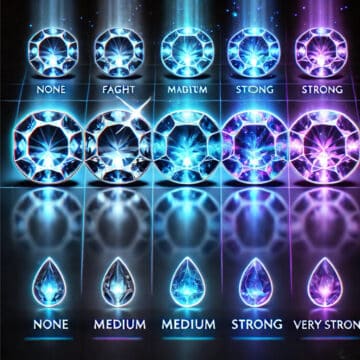
In natural diamonds, this is usually caused by “Strong Blue Fluorescence.” In lab diamonds, it is often a result of “CVD Strain Lines” from quick growth. Even a D-VVS1 can look “sleepy” if it has these issues. Always check the grading for diamond fluorescence before buying.
What is the best diamond shape to show off a D Color stone’s lack of color?+
Step cuts like the Emerald Cut or Asscher Cut are the best because their large facets act as “windows” that don’t hide any tint. A D-color stone in these shapes looks like pure water. Explore different options in our diamond shapes guide.
Conclusion: Mehedi’s “Wallet-Friendly” Verdict
We have crunched the numbers, and the result is frankly ridiculous. The market is currently asking you to choose between $413 and $16,870 for two stones that, once set in a ring, will look identical to 99.9% of the human population.
As your friend in the business, I am not going to let you burn cash just for a fancy piece of paper. Here is exactly how I would spend my money in February 2026:
- PASS: The Natural 1.00ct D-Flawless ($16,870) from the big retailers.
- Why? Unless you are curating a museum exhibit, this is a financial trap. You are paying a $12,000 premium for clarity features that are invisible to the naked eye. Do not buy “Paper Perfection” for jewelry you intend to wear.
- Why? Unless you are curating a museum exhibit, this is a financial trap. You are paying a $12,000 premium for clarity features that are invisible to the naked eye. Do not buy “Paper Perfection” for jewelry you intend to wear.
- BUY (Natural Smart Choice): The Rare Carat 1.00ct D-VVS2 (~$4,796).
- Why? You get the prestigious “D-Color” status and a completely eye-clean stone for $12,074 less than the Flawless option. This is the smartest buy if you demand a Natural diamond.
- Why? You get the prestigious “D-Color” status and a completely eye-clean stone for $12,074 less than the Flawless option. This is the smartest buy if you demand a Natural diamond.
- BUY (The “Free Money” Choice): The Ritani Lab 1.00ct D-VVS2 (~$413).
- Why? This is pure market arbitrage. For the price of a nice dinner, you get a stone that is chemically identical to the $16,000 one. Take the $16,400 you saved and put it toward a down payment on a house, a bigger wedding, or an epic honeymoon.
Final Warning: Inventory at the $413 price point is volatile. Dealers update these lists hourly. Check the fair market value for your specific date using our Diamond Rate Calculator before you commit.